
What Data Does the Early Signal Project Use—and Why?
At the Early Signal Project, we believe that behind every data point is a student with a story. Our mission is to help schools hear those stories early, before they become cries for help, and to empower educators with the insights they need to act.
But what kind of data do we actually use? And how do we protect student privacy while doing it?
Let’s break it down.
Student Profile: Who They Are
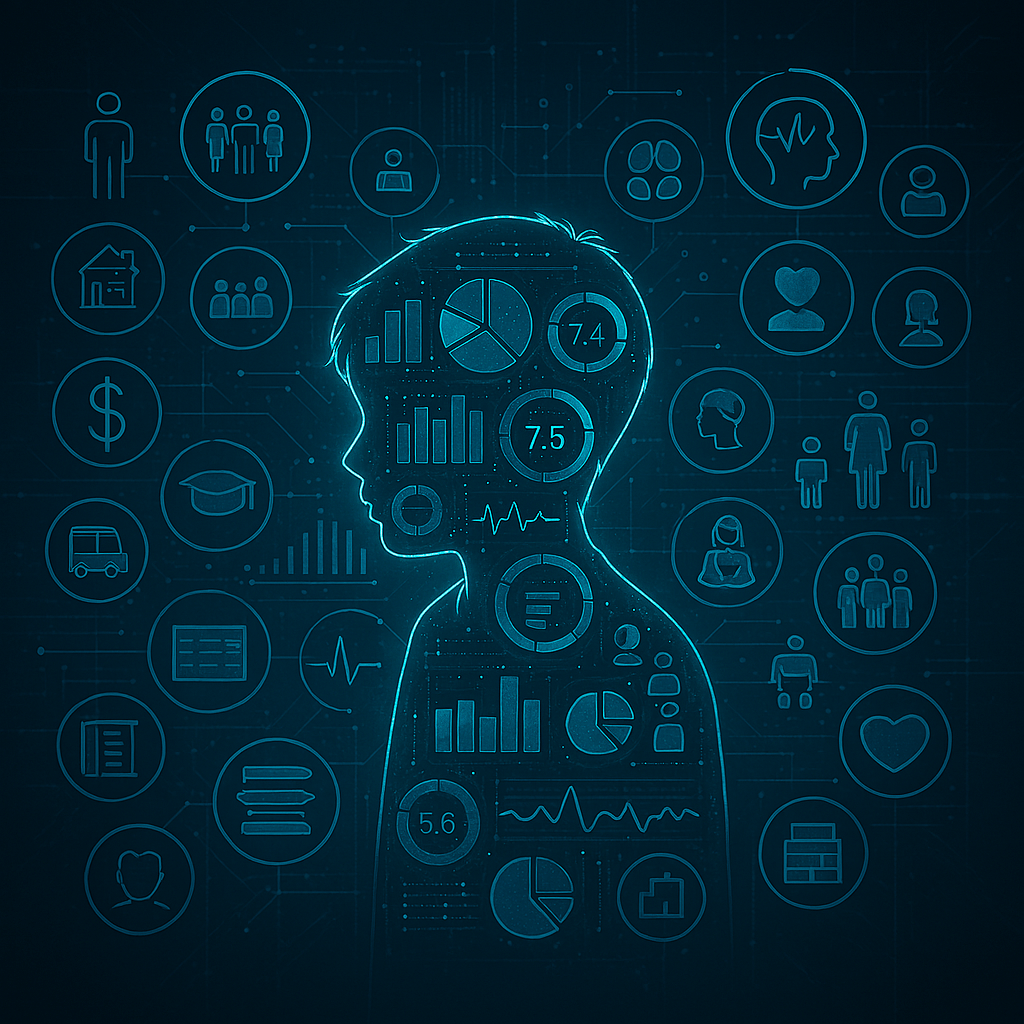
We start with basic demographic and family background information. These help us understand the context in which each student is learning.
Examples include:
- Age, gender, and ethnicity
- Family size and living situation
- Parent education and employment
- Household income and support systems
This data helps us spot patterns—like whether students from certain backgrounds are more likely to face academic or emotional challenges.
Academic Profile: How They’re Doing
We look at academic performance, attendance, and engagement to understand how students are progressing in school.
Examples include:
- GPA and subject-specific scores
- Study time and test preparation
- Absences and transportation
- Participation in extracurriculars and part-time jobs
These indicators help us identify students who may be struggling silently, even if they haven’t asked for help.
Mental Health: How They’re Feeling
We include self-reported mental health data from surveys, always with consent. This helps us understand emotional well-being and risk factors.
Examples include:
- Depression, anxiety, and panic attacks
- Isolation, substance use, and stress
- Access to counseling and support resources
We also use validated scales like PHQ-9, GAD-7, and WHO-5 to measure well-being in a structured, research-backed way.
Wellbeing Metrics: How They’re Living
Lifestyle habits can be early signals of distress. We track sleep, screen time, physical activity, and social support to round out the picture.
Examples include:
- Hours of sleep and exercise
- Time spent indoors or online
- Perceived quality of life and coping strategies
These help us understand how students are managing their daily lives—and whether they’re at risk of burnout or disengagement.
Privacy First, Always
Every piece of data we collect is:
- De-identified before analysis
- Encrypted and stored securely
- Accessed only by authorized personnel
- Used solely for educational support—not marketing or fundraising
We follow strict FERPA guidelines and only collect data with informed consent from parents and students.
Why It Matters
By combining academic, emotional, and behavioral data, we can build a fuller picture of each student’s experience—and help schools intervene earlier, more effectively, and more compassionately.
Because every student deserves to be seen, supported, and understood.

 Early Signal Project